

Nelson County Jail Logs — April 20-21, 2024
Editor’s Note: The Nelson County Gazette believes the
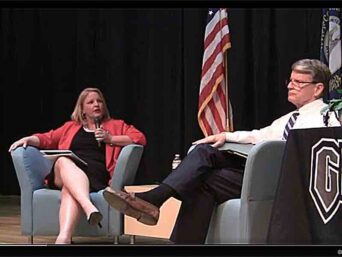
NC GAZETTE / WBRT RADIOSTAFF REPORT Monday, April 23, 2024 — The Republican candidates seeking the 50th District state representative seat met in their first debate on Thursday,…
Apr 22 2024 / Read More »
To the editor,, As March Madness captivated the nation, the disappointment of University of Kentucky’s loss in the first round of the NCAA tournament echoed among fans, myself…
Apr 16 2024 / Read More »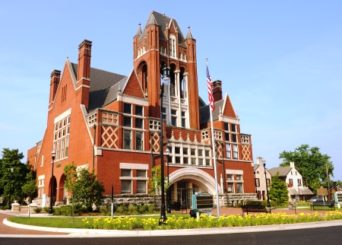
NC GAZETTE / WBRT RADIOSTAFF REPORT Monday, April 15, 2024 — After a competitive three-month application process, the Nelson County Economic Development Agency (NCEDA) Board is pleased to…
Apr 16 2024 / Read More »NC GAZETTE / WBRT RADIOSTAFF REPORT Monday, April 15, 2024 — Nelson County America First will sponsor a debate between the two Republican candidates for 50th District state…
Apr 15 2024 / Read More »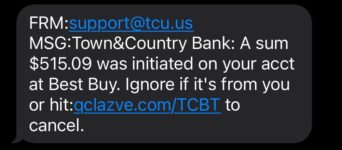
NC GAZETTE / WBRT RADIOSTAFF REPORT Monday, April 15, 2024 — Town & Country Bank and Trust Co. is warning customers of fake text messages being received by…
Apr 15 2024 / Read More »NC GAZETTE / WBRT RADIOSTAFF REPORT Saturday, April 13, 20224 — Senate Transportation Chair Jimmy Higdon, and 50th District state Rep. Candy Massaroni have secured millions of dollars…
Apr 13 2024 / Read More »
NC GAZETTE / WBRT RADIOSTAFF REPORT Friday, April 5, 2024 — The voter registration numbers in Nelson County broke a historic threshold last month when the county officially…
Apr 5 2024 / Read More »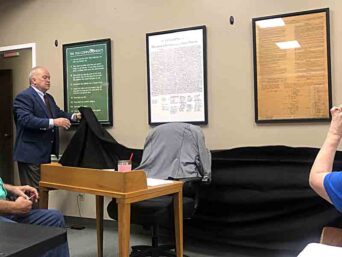
By JIM BROOKSNelson County Gazette / WBRT Radio Tuesday, April 2, 2024 — On Tuesday morning, Nelson County Judge-Executive Tim Hutchins opened the fiscal court meeting by unveiling…
Apr 2 2024 / Read More »
By JIM BROOKSNelson County Gazette / WBRT Radio Thursday, March 21, 2024 — The three defendants in the Crystal Roers case were in Nelson Circuit Court this afternoon…
Mar 21 2024 / Read More »
Editor’s Note: The Nelson County Gazette believes the public has a right to know who has been arrested by local officials and lodged in the Nelson County Correctional Center. The information…
Mar 21 2024 / Read More »
NC GAZETTE / WBRT RADIOSTAFF REPORT Friday, March 15, 2024 — A Bardstown man who stole a 2002 Chevrolet Silverado pickup truck was injured Friday afternoon following a…
Mar 16 2024 / Read More »To the editor, Thursday nights debate involved a lot of discussion of SEL (Social Emotional Learning). Incumbent state Rep. Candy Massaroni is fervently opposed to the “woke agenda,, which SEL has been accused of being a part of. Andy Stone is in favor of SEL. Florida, Arizona and Oklahoma have already banned SEL in schools. […]…
Apr 23 2024 / Read More »
NC GAZETTE / WBRT RADIOSTAFF REPORT Monday, April 23, 2024 — The Republican candidates seeking the 50th District state representative seat met in their first debate on Thursday, April 18, 2024 in the auditorium at Thomas Nelson High School. The debate was organized by Nelson County American First. Don Thrasher served as moderator. The candidates […]…
Apr 22 2024 / Read More »
NC GAZETTE / WBRT RADIOSTAFF REPORT Monday, April 15, 2024 — After a competitive three-month application process, the Nelson County Economic Development Agency (NCEDA) Board is pleased to announce John Downs, of Bardstown, will be joining the NCEDA team as President/COO effective May 15, 2024. Downs brings 40 years of experience working for local government […]…
Apr 16 2024 / Read More »
NC GAZETTE / WBRT RADIOSTAFF REPORT Monday, April 15, 2024 — Town & Country Bank and Trust Co. is warning customers of fake text messages being received by bank customers warning them of possible fraud charges on their bank debit cards. According to the bank, a number of bank customers have received text messages advising […]…
Apr 15 2024 / Read More »NC GAZETTE / WBRT RADIOSTAFF REPORT Saturday, April 13, 20224 — Senate Transportation Chair Jimmy Higdon, and 50th District state Rep. Candy Massaroni have secured millions of dollars over the next two years supporting local road projects in Nelson County. Included in the state’s two-year road plan, House Bill 266, Massaroni and Higdon helped secure […]…
Apr 13 2024 / Read More »
NC GAZETTE / WBRT RADIOSTAFF REPORT Friday, April 5, 2024 — The voter registration numbers in Nelson County broke a historic threshold last month when the county officially turned red, i.e., the majority of voters in the county are registered Republicans. After decades of the Democratic party being the dominant political party, the GOP — […]…
Apr 5 2024 / Read More »
By JIM BROOKSNelson County Gazette / WBRT Radio Tuesday, April 2, 2024 — On Tuesday morning, Nelson County Judge-Executive Tim Hutchins opened the fiscal court meeting by unveiling copies of what he said were important historical documents — copies of the Ten Commandments, the Bill of Rights, the Declaration of Independence and the U.S. Constitution […]…
Apr 2 2024 / Read More »
By JIM BROOKSNelson County Gazette / WBRT Radio Thursday, March 21, 2024 — The three defendants in the Crystal Roers case were in Nelson Circuit Court this afternoon for a status hearing and to allow the judge to consider a variety of motions filed by both the prosecutors and the three defense teams. Stephen Lawson […]…
Mar 21 2024 / Read More »
NC GAZETTE / WBRT RADIOSTAFF REPORT Friday, March 15, 2024 — A Bardstown man who stole a 2002 Chevrolet Silverado pickup truck was injured Friday afternoon following a police chase that ended when the stolen truck struck a school bus on Louisville Road near Cox’s Creek Elementary School. According to a press release, Nelson County […]…
Mar 16 2024 / Read More »
NC GAZETTE / WBRT RADIOSTAFF REPORT Thursday, March 14, 2024 — Baptist Health Medical Group has reached a multi-year agreement with Humana Medicare Advantage, in addition to commercial insurance plans, effective April 1, 2024. The new contract with Humana means that all Baptist Health hospitals, physicians, clinics, and outpatient facilities are in network with Humana. […]…
Mar 14 2024 / Read More »
NC GAZETTE / WBRT RADIOSTAFF REPORT Thursday, March 14, 2024 — The prosecutor in the cases involving the three defendants in the Crystal Rogers case has asked the court to consolidate the cases. Special prosecutor Shane Young petitioned the court Wednesday to combine the trials of Brooks Houck, Steven Lawson, and his son Joseph Lawson […]…
Mar 14 2024 / Read More »
NC GAZETTE / WBRT RADIOSTAFF REPORT Wednesday, March 13, 2024 — Nelson County Sheriff Ramon Pineiroa was the guest on WBRT’s “Bradford & Brooks” radio show to discuss recent scams that have recently taken advantage of Nelson County residents in the recent past. Sheriff Pineiroa shares tips for keeping safe and avoiding scammers who contact […]…
Mar 14 2024 / Read More »
By JIM BROOKSNelson County Gazette / WBRT Radio Sunday, March 10, 2024 — A second defendant in the Crystal Rogers murder case has filed for a change of venue. Stephen Eugene Lawson, 53, through his attorney, Ted H. Lavitt, filed to for a change of venue following a change of venue request from Brooks Houck […]…
Mar 10 2024 / Read More »
By JIMMY HIGDON14 District State Senator Friday, March 8, 2024 — The Kentucky General Assembly has wrapped up the 10th legislative week of the 2024 Regular Session. The pace quickened this week with several measures seeking Senate approval. I collaborated closely with the Kentucky Transportation Cabinet throughout the session and in week 10 we passed […]…
Mar 8 2024 / Read More »
NC GAZETTE / WBRT RADIOSTAFF REPORT Friday, March 8, 2024 — Don Thrasher, a candidate for 50th District state representative, announced early Friday that he plans to withdraw from the race. Thrasher said his decision came down to his need to be available for the care of his mother, who has been diagnosed with Alzheimer’s […]…
Mar 8 2024 / Read More »


Editor’s Note: The Nelson County Gazette believes the public has a right to know who has been arrested by local officials and lodged in the Nelson County Correctional Center. The information below is a compiled list of daily booking logs from the jail. The bookings state the person(s) arrested and the charge(s) against them. Everyone booked into the […]
Apr 22 2024 / Read More »
Editor’s Note: The Nelson County Gazette believes the public has a right to know who has been arrested by local officials and lodged in the Nelson County Correctional Center. The information below is a compiled list of daily booking logs from the jail. The bookings state the person(s) arrested and the charge(s) against them. Everyone booked into the […]
Apr 20 2024 / Read More »
Editor’s Note: The Nelson County Gazette believes the public has a right to know who has been arrested by local officials and lodged in the Nelson County Correctional Center. The information below is a compiled list of daily booking logs from the jail. The bookings state the person(s) arrested and the charge(s) against them. Everyone booked into the […]
Apr 15 2024 / Read More »
Editor’s Note: The Nelson County Gazette believes the public has a right to know who has been arrested by local officials and lodged in the Nelson County Correctional Center. The information below is a compiled list of daily booking logs from the jail. The bookings state the person(s) arrested and the charge(s) against them. Everyone booked into the […]
Apr 14 2024 / Read More »
Editor’s Note: The Nelson County Gazette believes the public has a right to know who has been arrested by local officials and lodged in the Nelson County Correctional Center. The information below is a compiled list of daily booking logs from the jail. The bookings state the person(s) arrested and the charge(s) against them. Everyone booked into the […]
Apr 12 2024 / Read More »
Editor’s Note: The Nelson County Gazette believes the public has a right to know who has been arrested by local officials and lodged in the Nelson County Correctional Center. The information below is a compiled list of daily booking logs from the jail. The bookings state the person(s) arrested and the charge(s) against them. Everyone booked into the […]
Apr 11 2024 / Read More »
Editor’s Note: The Nelson County Gazette believes the public has a right to know who has been arrested by local officials and lodged in the Nelson County Correctional Center. The information below is a compiled list of daily booking logs from the jail. The bookings state the person(s) arrested and the charge(s) against them. Everyone booked into the […]
Apr 10 2024 / Read More »
Editor’s Note: The Nelson County Gazette believes the public has a right to know who has been arrested by local officials and lodged in the Nelson County Correctional Center. The information below is a compiled list of daily booking logs from the jail. The bookings state the person(s) arrested and the charge(s) against them. Everyone booked into the […]
Apr 8 2024 / Read More »
Editor’s Note: The Nelson County Gazette believes the public has a right to know who has been arrested by local officials and lodged in the Nelson County Correctional Center. The information below is a compiled list of daily booking logs from the jail. The bookings state the person(s) arrested and the charge(s) against them. Everyone booked into the […]
Apr 7 2024 / Read More »
Editor’s Note: The Nelson County Gazette believes the public has a right to know who has been arrested by local officials and lodged in the Nelson County Correctional Center. The information below is a compiled list of daily booking logs from the jail. The bookings state the person(s) arrested and the charge(s) against them. Everyone booked into the […]
Apr 6 2024 / Read More »
Editor’s Note: The Nelson County Gazette believes the public has a right to know who has been arrested by local officials and lodged in the Nelson County Correctional Center. The information below is a compiled list of daily booking logs from the jail. The bookings state the person(s) arrested and the charge(s) against them. Everyone booked into the […]
Apr 5 2024 / Read More »
Editor’s Note: The Nelson County Gazette believes the public has a right to know who has been arrested by local officials and lodged in the Nelson County Correctional Center. The information below is a compiled list of daily booking logs from the jail. The bookings state the person(s) arrested and the charge(s) against them. Everyone booked into the […]
Apr 4 2024 / Read More »
Editor’s Note: The Nelson County Gazette believes the public has a right to know who has been arrested by local officials and lodged in the Nelson County Correctional Center. The information below is a compiled list of daily booking logs from the jail. The bookings state the person(s) arrested and the charge(s) against them. Everyone booked into the […]
Apr 3 2024 / Read More »
Editor’s Note: The Nelson County Gazette believes the public has a right to know who has been arrested by local officials and lodged in the Nelson County Correctional Center. The information below is a compiled list of daily booking logs from the jail. The bookings state the person(s) arrested and the charge(s) against them. Everyone booked into the […]
Apr 2 2024 / Read More »




Video: 50th District state rep. debate, Candy Massaroni v. Andy Stone
Video: NC Forward interview on WBRT’s ‘Bradford & Brooks’ radio show

Video: Sale of city’s cable TV, internet discussed on WBRT’s ‘Bradford & Brooks’
Video: Dozens attend meeting regarding anaerobic digester methane facility

Video: Bradford & Brooks interview on domestic violence issues with ZeroV
Video: School choice discussion w/local superintendents on ‘Bradford & Brooks’
Video: Bradford & Brooks review 2024 General Assembly legislation
Video: Nelson Fiscal Court meeting, Jan. 16, 2024
Video: City Fire Chief reviews 2023, looks ahead at 2024 on ‘Bradford & Brooks’ show
Video: Joseph Lawson in Nelson Circuit Court, Jan. 5, 2024
Video: Wes Bradley interview on WBRT’s ‘Bradford & Brooks” Jan. 3, 2024

Video: 2023 Bardstown Kiwanis / WBRT Radio Christmas Parade
Video: State Rep. Massaroni is guest on WBRT’s ‘Bradford & Brooks’ Dec. 6, 2023
Video: Damon Jackey ‘Bradford & Brooks’ radio interview, Nov. 21, 2023
Eugene “Gene” Robert Heinig III, 87, formerly of Bardstown, died Nov. 26, 2023, in Vero Beach, Fla. He was born Oct. 1, 1936, in Louisville to the late Eugene Robert and Florence Ann (Becky) Venhoff Heinig of Louisville. He will be remembered for his big smile and friendly nature. He was an avid fan of…
Apr 23 2024 / Read More »
To the editor, Thursday nights debate involved a lot of discussion of SEL (Social Emotional Learning). Incumbent state Rep. Candy Massaroni is fervently opposed to the “woke agenda,, which SEL…
Apr 23 2024 / Read More »
To the editor, I would like to thank our state representative, Candy Massaroni, for her hard work and dedication in serving the…
Apr 22 2024 / Read More »
Dear Editor I just had to take a moment to thank 50th District State Rep. Candy Massaroni for making House Bill 682,…
Apr 1 2024 / Read More »
To the editor, House Bill 5 before the legislature calls for more incarceration and longer prison sentences. A local writer listed some…
Feb 20 2024 / Read More »
NC GAZETTE / WBRT RADIOSTAFF REPORT Saturday, Feb. 17, 2024 — The public hearing scheduled this week regarding the proposed anaerobic digester…
Feb 17 2024 / Read More »
NC GAZETTE / WBRT RADIOSTAFF REPORT Friday, Feb. 16, 2024 — Aaron Boles, the City of Bardstown administrator, was the studio guest…
Feb 16 2024 / Read More »
By JIM BROOKSNelson County Gazette / WBRT Radio Tuesday, Feb. 13, 2024 — Following a closed executive session, the Bardstown City Council…
Feb 14 2024 / Read More »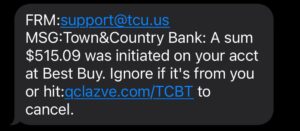
NC GAZETTE / WBRT RADIOSTAFF REPORT Monday, April 15, 2024 — Town & Country Bank and Trust Co. is warning customers of fake text messages being received by bank customers…
Apr 15 2024 / Read More »
Editor’s Note: The Nelson County Gazette believes the
Editor’s Note: The Nelson County Gazette believes the